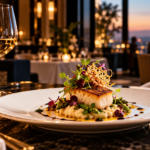

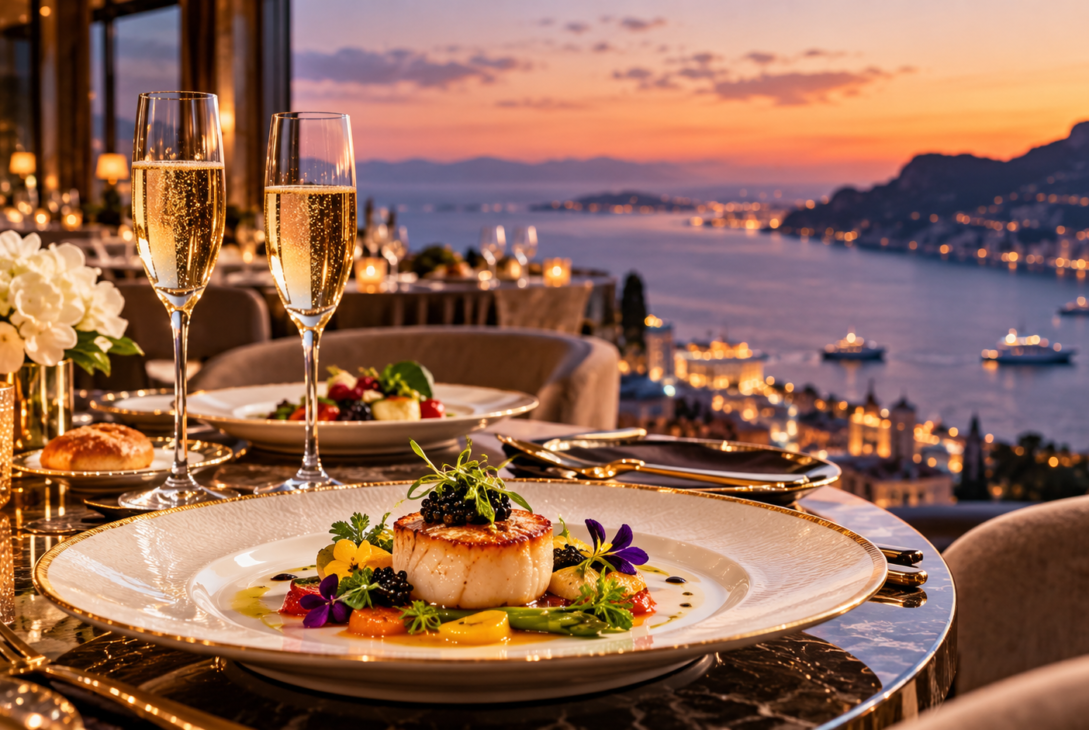
The world’s most luxurious dining experiences combine exceptional cuisine with rare settings, meticulous personalised service, and multi-sensory storytelling. These encounters go beyond Michelin-starred cooking to include private chef’s tables, remote destination dinners, and theatrical tasting menus designed around exclusivity, craftsmanship, and unforgettable atmosphere.
Luxury dining has evolved far beyond a beautifully plated dish or an impressive wine list. Today, the most extraordinary dining experiences blend culinary mastery with theatre, architecture, and personalisation so precise that no two guests leave with the same impression. A truly luxurious meal engages every sense: the aroma of a dish before it arrives, the hush of a dining room designed for intimacy, the choreography of a service team that anticipates needs before they’re spoken.
What separates luxury fine dining from merely expensive dining is intentionality. Every element—from the sourcing of ingredients to the pacing of courses to the lighting in the room—is considered. This is why some of the world’s most exclusive dining experiences take years to plan, involve single-digit guest counts, or exist in locations so remote that reaching them becomes part of the adventure itself.
This piece explores what makes these experiences exceptional, from Michelin-starred temples of gastronomy to chef-led tasting menus staged in extraordinary settings, so you understand not just where to look, but what to look for.
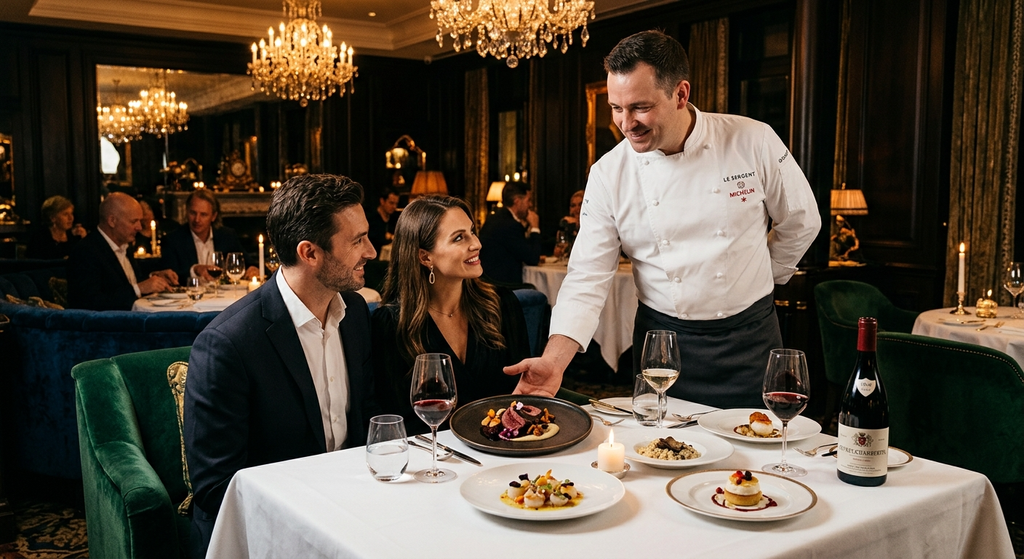
What Makes a Dining Experience Truly Luxurious?
Luxury in dining isn’t defined by a single ingredient or price tag. It’s the convergence of several elements working in harmony.
How does cuisine quality define luxury dining?
At the centre of any exceptional dining experience is the food itself. Chefs at this level typically work with rare or seasonal ingredients, often sourced through long-standing relationships with specific farms, fisheries, or foragers. Technique matters enormously here: dishes may involve techniques refined over decades, drawing on classical training while pushing toward innovation. The result is food that surprises even well-travelled palates, often reinterpreting familiar ingredients in unexpected ways.
Why does ambience matter as much as the menu?
A dining room can transform a meal from memorable to transcendent. Luxury venues often invest heavily in architecture and interior design, commissioning renowned designers to create spaces that feel both intimate and theatrical. Lighting, acoustics, table spacing, and even the walk from the entrance to the table are considered part of the experience. Some of the most talked-about dining rooms in the world double as art installations, with every visual detail reinforcing the story the chef is trying to tell through food.
What role does personalised service play?
Exceptional service in luxury dining is defined by anticipation rather than reaction. Servers at this level are trained to read a table, adjust the pace of a meal to match the mood, and offer recommendations tailored to individual preferences rather than a scripted routine. In the most exclusive settings, staff may research a guest’s dietary history, favourite wines, or past visits in advance, creating a sense of being known rather than simply served.
Why does exclusivity increase perceived value?
Scarcity plays a powerful role in luxury dining. A restaurant with only a handful of tables, a chef’s table positioned inside the kitchen itself, or a dinner staged in a location accessible to only a few guests per year all create a sense of rarity that can’t be replicated at scale. This exclusivity often extends to reservation systems, with some of the most sought-after tables requiring months of advance planning or operating through invitation-only access.
Michelin-Starred Restaurants: The Benchmark of Culinary Excellence
Michelin stars remain one of the most recognised global benchmarks for culinary achievement. Awarded by the Michelin Guide’s anonymous inspectors, stars are given based on criteria including the quality of ingredients, mastery of flavour and cooking techniques, the personality of the chef expressed through the cuisine, value for money, and consistency between visits.
What distinguishes one, two, and three-star dining experiences?
While the exact criteria for each star level are closely guarded by Michelin, the general distinction is widely understood within the industry: one star denotes a restaurant that is very good in its category, two stars indicate excellent cooking worth a detour, and three stars are reserved for exceptional cuisine worth a special journey. At the three-star level, diners can expect not just outstanding food but an entire evening built around precision, consistency, and a clear culinary identity.
Michelin-starred dining experiences often involve tasting menus rather than à la carte options, allowing chefs to guide guests through a curated narrative of flavours, textures, and techniques. These menus are frequently updated seasonally, reflecting the freshest ingredients available and the chef’s evolving creative vision.
Why do diners travel internationally for Michelin-starred meals?
For many luxury travellers, visiting a Michelin-starred restaurant becomes the centrepiece of a trip rather than an incidental stop. Cities with concentrated clusters of starred restaurants have become culinary pilgrimage sites, drawing food lovers willing to plan entire itineraries around securing a reservation. This phenomenon has helped transform fine dining into a form of cultural tourism in its own right.
Chef-Led Tasting Menus: A Narrative Told Through Food
Tasting menus have become the preferred format for chefs who want full creative control over a guest’s dining journey. Rather than selecting individual dishes, diners place their trust in the chef to guide them through a sequence of courses designed to build on one another.
What makes a tasting menu feel like storytelling?
The best tasting menus are structured much like a narrative arc, opening with lighter, palate-awakening bites before building toward richer, more complex courses, and closing with dessert courses designed to leave a lasting impression. Many chefs use tasting menus to express a personal philosophy, whether that’s a deep connection to a specific region, a commitment to zero-waste cooking, or a reinterpretation of childhood memories through fine dining techniques.
Why do multi-course menus often last several hours?
A luxury tasting menu experience frequently extends over three to four hours, deliberately paced to allow guests to savour each course without feeling rushed. This extended format also allows for wine or beverage pairings tailored to each dish, often curated by a dedicated sommelier who selects pairings designed to enhance specific flavour notes rather than simply complement the meal generally.
Exclusive and Unusual Dining Locations
Some of the most extraordinary dining experiences in the world owe their reputation as much to location as to the food itself.
How do remote or unusual settings elevate a meal?
Dining in a location few others can access—whether a secluded mountaintop, a private island, or a dining room suspended above a dramatic landscape—adds a layer of exclusivity that can’t be replicated in a conventional restaurant setting. These settings often require significant logistical planning, from transporting ingredients and equipment to coordinating weather-dependent scheduling, which only adds to their rarity and appeal.
What is a chef’s table and why is it considered a premium experience?
A chef’s table typically places diners within or adjacent to the kitchen itself, offering a front-row view of the preparation and plating process. This format breaks down the traditional separation between kitchen and dining room, allowing guests to interact directly with chefs, ask questions about technique, and witness the precision required to execute a tasting menu in real time. Because chef’s tables usually accommodate only a handful of guests, they’re often among the most difficult reservations to secure at any given restaurant.
Why are private dining rooms and bespoke menus in high demand?
For guests celebrating milestone occasions or hosting high-profile gatherings, private dining rooms offer a level of discretion and customisation unavailable in a main dining room. Many luxury restaurants now offer entirely bespoke menus for private bookings, allowing chefs to design a meal around a guest’s specific preferences, dietary requirements, or thematic requests.
Rare Culinary Experiences Beyond the Restaurant
Luxury dining increasingly extends beyond traditional restaurant formats, incorporating experiential elements that blur the line between meal and event.
How are multi-sensory dinners changing fine dining?
Some chefs and hospitality groups now design dinners that incorporate sound, scent, lighting, and even projection mapping alongside the food itself. These multi-sensory formats are built around the idea that taste perception is deeply influenced by other senses, and by carefully controlling the full sensory environment, chefs can heighten or shift how a dish is experienced.
What makes destination dining events so sought-after?
Pop-up dinners staged in extraordinary locations, often for a single night or a limited run, have become a notable trend among luxury travellers. These events pair a renowned chef with a unique backdrop, creating a once-in-a-lifetime experience that can’t be recreated elsewhere. Because of their limited availability, tickets or reservations for these events frequently sell out well in advance.
Choosing the Right Luxury Dining Experience for You
Not every luxury dining experience suits every traveller, and understanding your own priorities can help narrow the choice.
Choose a Michelin-starred tasting menu if culinary technique and consistency matter most to you, and you want a benchmarked guarantee of quality recognised globally. Choose a chef’s table if you’re drawn to the theatre of the kitchen and want direct interaction with the culinary team. Choose a destination or pop-up dining event if the setting and novelty of the experience matter as much as the food itself, and you’re comfortable with limited availability and advance planning. Choose a private dining room if discretion, customisation, and an intimate atmosphere are your primary considerations.
Final Thoughts: The Future of Luxury Dining
Luxury dining continues to evolve as chefs push beyond the plate to create complete sensory journeys. What remains constant is the pursuit of excellence across every detail: ingredient quality, technical mastery, atmosphere, and service that feels genuinely personal rather than performative. For travellers and food lovers seeking these experiences, the reward lies not just in the meal itself but in the memory of an evening carefully designed to be unlike any other.
Whether your next luxury dining experience involves a three-Michelin-starred tasting menu, a chef’s table tucked inside a bustling kitchen, or a once-in-a-lifetime pop-up dinner in a remote setting, the common thread is intention. Every exceptional meal, at its core, is the product of countless deliberate choices made long before the first course arrives.
Frequently Asked Questions
What makes a restaurant qualify as a luxury dining experience?
A restaurant is generally considered a luxury dining destination when it combines exceptional culinary technique, high-quality or rare ingredients, a carefully designed atmosphere, and attentive, personalised service. Recognition such as Michelin stars can signal this level of quality, but exclusivity and attention to detail are equally important factors.
Are Michelin-starred restaurants always the most expensive option?
Not necessarily. While many Michelin-starred restaurants are positioned at the premium end of pricing, the star rating itself reflects culinary quality and consistency rather than price. Some one-star restaurants may be more accessible in price than certain non-starred establishments known for exclusivity or location.
How far in advance should I book a table at an exclusive restaurant?
Reservation timelines vary significantly by restaurant and location, but the most in-demand tables, particularly chef’s tables and multi-Michelin-starred restaurants, often require booking several weeks or even months ahead. It’s best to check directly with the restaurant for current booking policies.
What is the difference between a tasting menu and à la carte dining?
A tasting menu offers a fixed sequence of courses curated entirely by the chef, designed to showcase a cohesive culinary narrative. À la carte dining allows guests to select individual dishes independently, offering more flexibility but less of the guided storytelling experience tasting menus are known for.
Can luxury dining experiences accommodate dietary restrictions?
Most high-end restaurants and chef-led tasting menus are well-equipped to accommodate dietary restrictions, including allergies, intolerances, and lifestyle-based preferences. It’s advisable to inform the restaurant of any requirements at the time of booking to allow the kitchen adequate time to adjust the menu appropriately.