
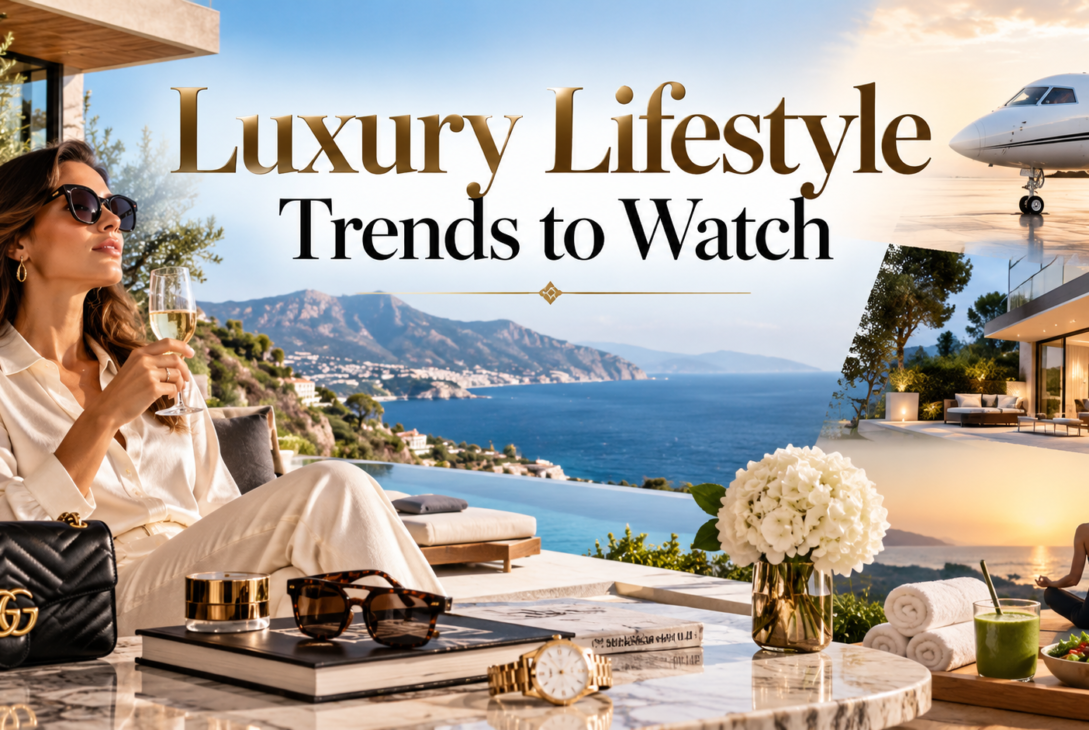
The biggest luxury lifestyle trends center on quiet confidence over loud display. Affluent consumers increasingly favor discreet craftsmanship, wellness-driven travel, sustainable sourcing, and digital privacy over flashy logos. Experiences, time, and personalization now outweigh material possessions as the ultimate status symbols among high-net-worth individuals.
Luxury no longer announces itself the way it once did. For decades, status was measured in monograms, hood ornaments, and square footage. Today’s wealthy consumers are rewriting that script entirely, trading conspicuous consumption for something harder to quantify but far more valuable: intention.
This shift isn’t a passing fad. It reflects deeper changes in how people define success, spend their time, and relate to the objects and experiences that surround them. Younger generations of wealth—many of whom built their fortunes through entrepreneurship rather than inheritance—are especially skeptical of ostentation. They want substance, not spectacle.
Understanding these trends matters whether you’re a luxury brand strategist, a retailer catering to high-income clients, or simply someone fascinated by where affluent taste is heading next. This guide breaks down the key movements shaping luxury lifestyles today, from quiet luxury fashion to the rise of wellness as a status symbol.
What is “quiet luxury” and why is it replacing logo-driven fashion?
Quiet luxury refers to a style philosophy built on understated elegance, exceptional craftsmanship, and subtle branding rather than visible logos. Instead of a handbag covered in a designer’s initials, quiet luxury favors a plain leather tote whose quality speaks for itself to those who know what to look for.
This aesthetic draws heavily from old-money style—think cashmere sweaters, tailored trousers, and timeless silhouettes that could belong to any decade. The appeal lies in exclusivity through knowledge rather than visibility. A $3,000 coat with no visible branding signals something different than a logo-plastered equivalent: that the wearer doesn’t need external validation.
Brands like Loro Piana, Brunello Cucinelli, and The Row have built entire identities around this philosophy, often commanding premium prices precisely because they avoid flashy signifiers. For luxury marketers, this means shifting messaging away from status and toward craftsmanship, heritage, and material quality.
How is wellness becoming the new status symbol among wealthy consumers?

Wellness has evolved from a niche interest into one of the most visible markers of affluence. Access to recovery technology, longevity clinics, biohacking protocols, and personalized health optimization now functions the way a sports car once did—signaling that someone has both the resources and the discipline to invest in their own body.
This trend shows up in several ways:
- Longevity clinics and biomarker testing: High-net-worth individuals increasingly pay for comprehensive blood panels, genetic testing, and continuous health monitoring to optimize lifespan, not just treat illness.
- Recovery-focused travel: Destination wellness retreats offering cryotherapy, IV therapy, and sleep optimization programs have moved from fringe wellness culture into mainstream luxury travel itineraries.
- Private health concierge services: Rather than visiting a general practitioner, affluent clients now retain personal health teams that coordinate everything from nutrition to preventative screenings.
Choose wellness-driven luxury offerings if your target audience values longevity and performance over traditional indulgence. For brands and service providers, positioning products around measurable health outcomes resonates far more with this demographic than framing them purely as indulgent treats.
Why are experiences replacing possessions as the ultimate luxury purchase?
Experiential spending has outpaced material luxury goods purchases among many wealthy consumers, particularly those under 45. The reasoning is straightforward: experiences create memories and social capital that a physical object cannot replicate on social media or in conversation.
This has fueled dramatic growth in several categories:
- Private aviation and yacht charters: Rather than owning assets outright, many affluent travelers now prefer fractional ownership or charter arrangements that offer flexibility without the burden of maintenance.
- Once-in-a-lifetime travel: Trips built around rare access—private museum tours after hours, expedition cruises to Antarctica, or stays at remote luxury lodges—command premium pricing precisely because they can’t be replicated by just anyone with money.
- Culinary tourism: Securing a table at a three-Michelin-star restaurant or attending an exclusive chef’s table dinner has become a bragging right on par with owning a luxury watch.
The common thread across these categories is scarcity of access rather than scarcity of production. A luxury brand can manufacture more handbags, but it cannot manufacture more seats at an intimate dinner with a celebrated chef. This scarcity of access is what makes experiential luxury so compelling to consumers who already own most material goods they could want.
What role does sustainability play in modern luxury purchasing decisions?
Sustainability has shifted from a nice-to-have marketing angle to a genuine purchasing criterion among affluent consumers, particularly those under 40. This generation grew up watching climate change coverage and tends to view excessive, wasteful consumption as a sign of ignorance rather than success.
In practice, this means:
- Provenance transparency: Buyers want to know where materials originated, how workers were treated, and what environmental impact a product’s creation had. Brands that can trace a cashmere sweater back to a specific farm or a diamond back to its mine of origin have a competitive advantage.
- Resale and vintage luxury: Platforms specializing in pre-owned designer goods have gained significant credibility, with vintage pieces from houses like Hermès and Chanel often appreciating in value rather than depreciating.
- Smaller, more intentional wardrobes: Rather than buying seasonally, many affluent consumers now invest in fewer, higher-quality pieces intended to last for years or decades.
Choose brands with verifiable sustainability credentials if ethical sourcing matters more to your target customer than rock-bottom pricing or rapid trend turnover. For luxury houses, genuine transparency—not vague “eco-friendly” claims—is what differentiates credible sustainability efforts from greenwashing in the eyes of discerning buyers.
How is digital privacy becoming a luxury feature in itself?
As personal data becomes increasingly commodified, privacy itself has turned into a luxury good. Wealthy consumers now pay premiums for services and products that protect their anonymity, from encrypted communication platforms to real estate purchased through private trusts that shield ownership details from public record.
This trend extends into physical spaces as well. Members-only clubs, private residences with discreet entrances, and concierge services that handle bookings without generating a public digital footprint all cater to clients who view visibility itself as a liability rather than an asset.
Luxury hospitality brands have responded by offering “digital detox” packages and guaranteeing strict no-photography policies in certain areas, recognizing that for some high-net-worth travelers, the ability to disconnect without being tagged or recognized is worth paying for.
What does personalization look like in today’s luxury market?
Mass customization has given way to true personalization, where products and services are built around an individual client’s specific preferences rather than offered in a handful of preset variations. This trend touches nearly every luxury category:
- Bespoke tailoring and made-to-order goods: Rather than selecting from existing collections, clients increasingly commission pieces designed specifically for them, from suits to furniture.
- AI-driven personal shopping: Some luxury retailers now use client purchase history and stated preferences to curate recommendations so specific that they feel handpicked by a human stylist.
- Private travel itineraries: Luxury travel advisors increasingly build entirely custom trips around a client’s interests—whether that’s wine, architecture, or wildlife photography—rather than offering standardized packages.
For brands serving this market, the message is clear: generic luxury no longer satisfies clients who can afford exactly what they want. Personalization isn’t a premium add-on anymore; for top-tier clients, it’s the baseline expectation.
Moving Forward in a Changing Luxury Landscape
Luxury in 2025 is quieter, healthier, more intentional, and increasingly private. The common thread running through every trend here—quiet style, wellness, experiential spending, sustainability, digital privacy, and personalization—is a move away from luxury as display and toward luxury as genuine quality of life.
For brands and marketers, this means rethinking messaging that once relied on visible status symbols. The new luxury consumer responds to craftsmanship, transparency, and exclusivity of access rather than loud branding. For consumers themselves, these trends offer a roadmap for spending in ways that feel aligned with personal values rather than social pressure.
Whatever your role in this space, staying attuned to these shifts will help you make smarter decisions, whether that means refining a brand strategy or simply rethinking your own relationship with what luxury means to you.
Frequently Asked Questions
What is quiet luxury and how is it different from traditional luxury branding?
Quiet luxury emphasizes understated design, exceptional materials, and minimal visible branding, contrasting with traditional luxury’s reliance on recognizable logos and bold status symbols. It appeals to consumers who prefer discretion over overt displays of wealth.
Why are wealthy consumers spending more on wellness than material goods?
Wellness offers a form of status that’s harder to buy outright—requiring discipline, time, and access to specialized expertise. This makes it a compelling signal of success for consumers who already own most material goods they want.
Is experiential luxury more expensive than traditional luxury goods?
Not necessarily. While some ultra-exclusive experiences command very high prices, the true value lies in scarcity of access rather than price tag alone, making experiences feel more exclusive than mass-produced goods regardless of cost.
How can luxury brands authentically incorporate sustainability without seeming like greenwashing?
Brands should prioritize verifiable transparency, such as traceable sourcing and third-party certifications, over vague environmental claims. Affluent consumers, particularly younger ones, are quick to spot superficial sustainability marketing.
Who is driving the shift toward privacy as a luxury feature?
This trend is largely driven by high-net-worth individuals and public figures concerned about data exposure, combined with a broader cultural shift toward valuing anonymity in an increasingly surveilled digital environment.